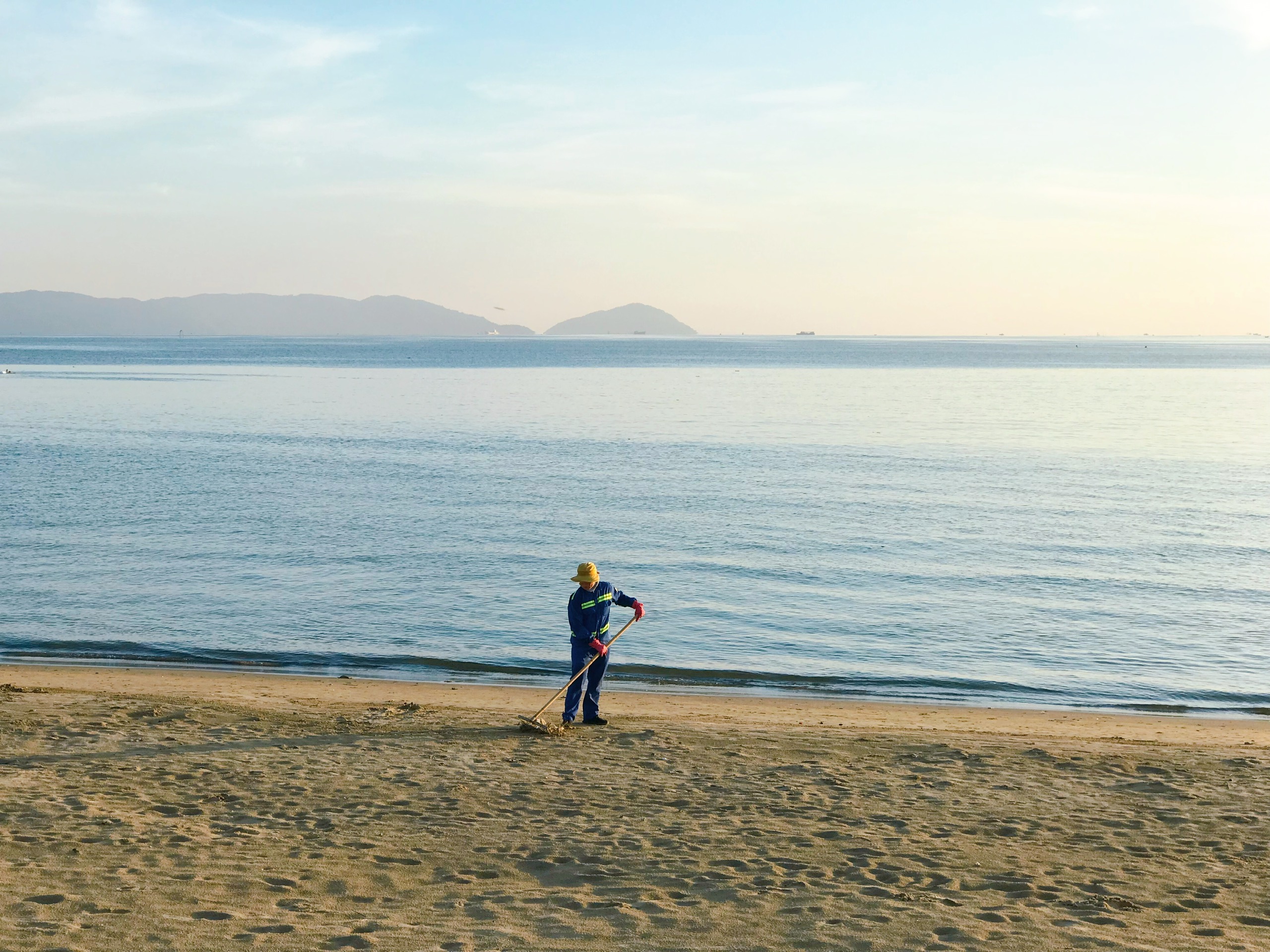
I was washing dishes when the evening news program mentioned a prime example of environmental protection in Da Nang. Basically, Da Nang is implementing activities to ensure a clean, green environment free of waste. A few days ago, I read an article saying that Da Nang would announce the names of individuals or organizations that litter improperly over the public loudspeakers. This announcement was made due to unmanaged waste disposal in some public places and streets in Da Nang (the article was published in May 2026). This is a logistical bottleneck in the waste collection phase. From my two visits to Da Nang, I found the environment to be better than in other major cities in Vietnam, like Hanoi or Ho Chi Minh City (HCMC).
My friend, who lives in Da Nang, is more concerned about the environment in Hanoi, because the media occasionally reports on environmental issues there, such as air pollution or construction waste. She moved from HCMC to Da Nang mainly because she loves the natural environment and the people here. I called her to ask if the news article from last May about the public waste situation in Da Nang was accurate and asked her to send me some photos of the streets she saw on her way to work.
In the evening, she went for a walk and sent me some photos, saying there was more waste at Bau Tram Lake than usual. She said she didn’t enjoy jogging around much lately because it smelled worse than usual. My friend explained that it was due to sludge and oil from the nearby bridge construction flowing in and accumulating in the lake. I looked closely but didn’t see any waste, only beautiful scenery. I wish there was a lake like that near my apartment. In my imagination, the amount of waste should be visible like the current state of some canals, rivers, and lakes I see in the North of Vietnam. I told her to observe the roadside on her way to work tomorrow. The next day she said there was no visible waste on the streets and sent me more photos of her commute and a brightly blooming bougainvillea tree by a neighbor’s roadside.
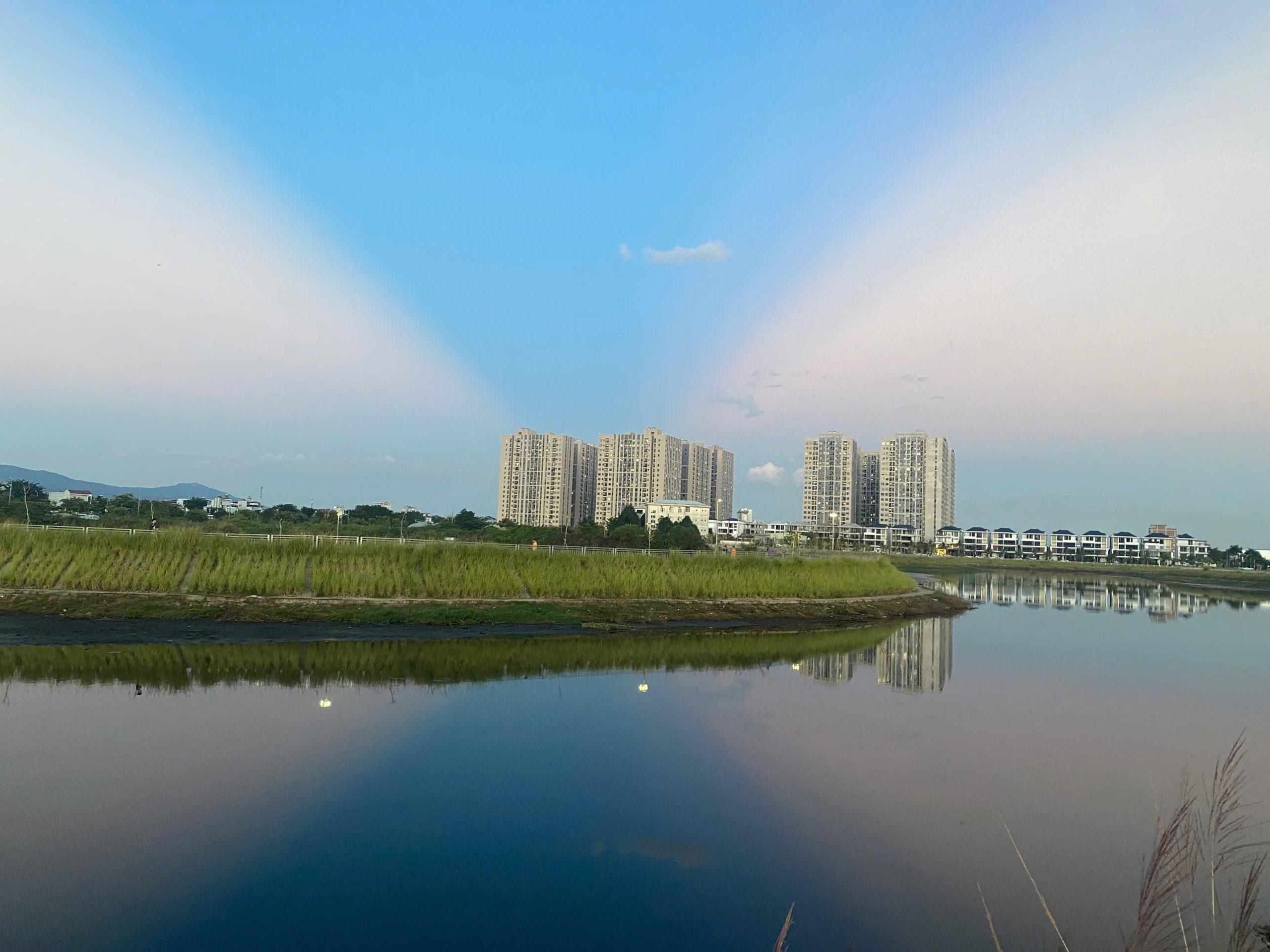
Bau Tram Lake. Photo: An Phương, 08/2026
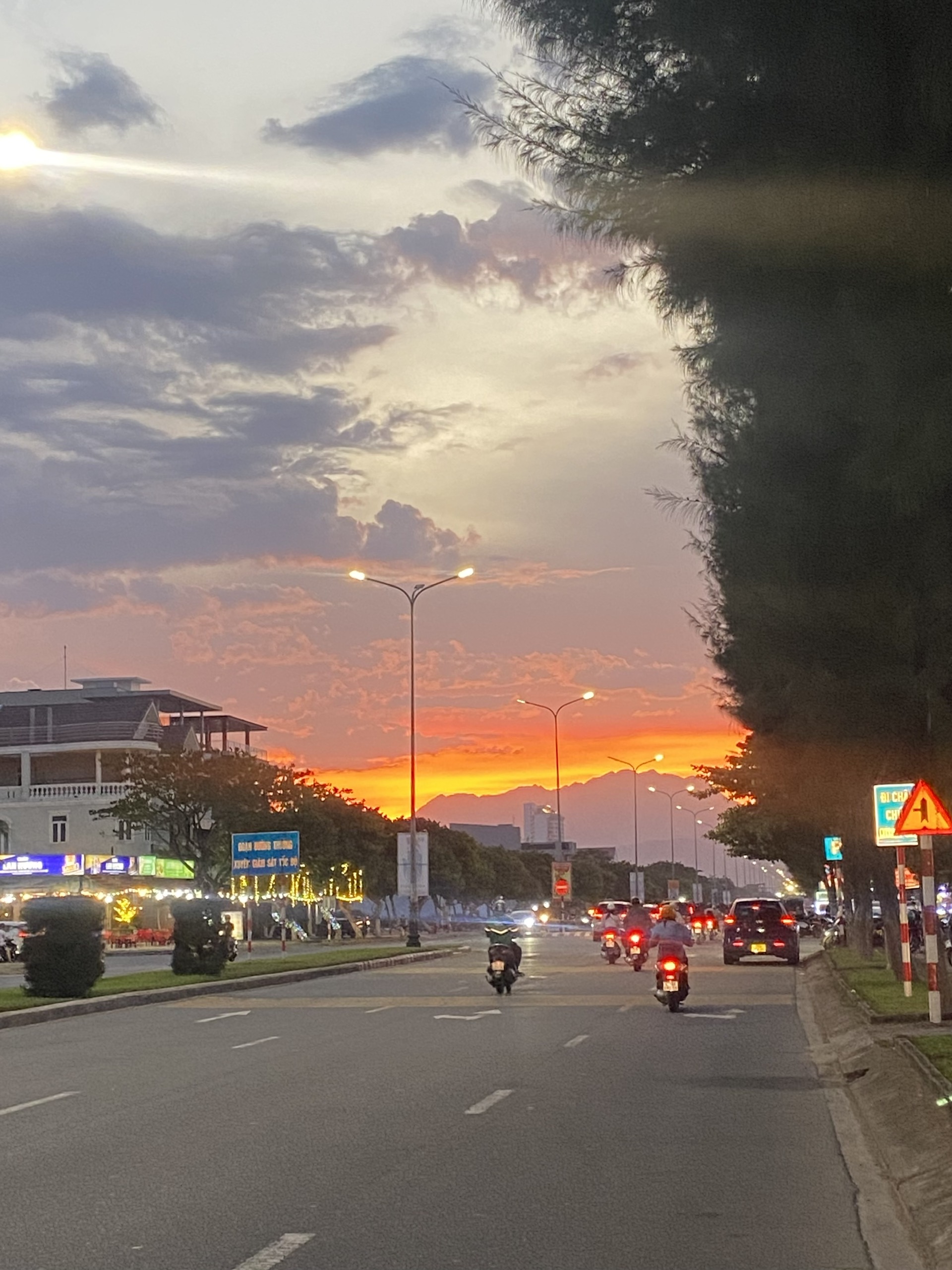
Da Nang streets. Photo: An Phương, 08/2026
Da Nang is located in central Vietnam and is one of the centrally governed cities. Da Nang is known as a clean, green, and smart city in Vietnam. But is Da Nang really as clean and green as Vietnamese people say? In fact, Vietnam has a set of environmental assessment indices for provinces and centrally governed cities, issued in 2019 by the Ministry of Natural Resources and Environment (now the Ministry of Agriculture and Environment): PEPI (Provincial Environmental Protection Index). Da Nang ranked first from 2021-2023 and ranked second in 2024 and 2025, with scores ranging from 65.90 to nearly 80 points. In the last two years, Hue has held the top position. The PEPI index comprises 100 points across three criteria: state management (maximum 18 points), environmental protection effectiveness (maximum 62 points), and citizen satisfaction (maximum 20 points).
So, is Da Nang’s waste treatment technology superior to other localities in Vietnam, or is it simply better at waste collection? I’ve found that landfilling remains the primary waste treatment method in Da Nang and is currently overloaded. Da Nang is planning to shift to non-landfill technologies with three waste-to-energy projects, one of which is currently constructing. Therefore, in terms of waste treatment technology, Da Nang isn’t any more special than other provinces and cities in Vietnam.
I believe that Da Nang being greener and cleaner than many other places in Vietnam isn’t just an intrinsic or natural advantage. It’s a policy of the city to attract tourists. Of course, Da Nang also attracts tourists thanks to its local culture and the generous, friendly nature of its people. My friend added that Da Nang is also attractive because of its beautiful scenery and reasonable cost of living. I also noticed that there’s no traffic congestion, the pace of life isn’t too hectic, and it’s not yet overloaded with population density. In addition, the infrastructure, transport connectivity, and the capabilities of the people here are also a plus. It’s probably no coincidence that Da Nang attracts many international tourists and is a location for conferences and events.
Nguyet Tran
P.S.: Thousand thanks to An Phương for reading, commenting, and supplying additional information and photos about Da Nang.
Thanks to Hà Giang for reading and commenting.
Note: This version is translated from Vietnamese version by Google Translate with revisions.
